Woven explores how memories and experiences are woven together through the stories and images we hold. The work is an invitation to reflect and remember as acts of collective resilience. Bridging local and global histories, the project pulls experiences across generations, borders, languages, and cultures, to think about how our lives become entangled, referencing personal trauma and victories against larger social and political events.
Charting a diasporic imagination of reliance, the project explores “weaving” as a concept metaphor for togetherness, drawing on the personal experiences and intimate connections between two artists, Labkhand Olfatmanesh and Gazelle Samizay, to reflect on the messy and often uneasy relationships that bind us together and pull us apart.
A central piece of Woven is the video work Bepar (Hop), in which a young woman relives the personal struggles of her past as intergenerational trauma. The film plays with images as sensual cues to memory. As such, it often skirts language, using sound, textures, and color, rather than words, to convey meaning.
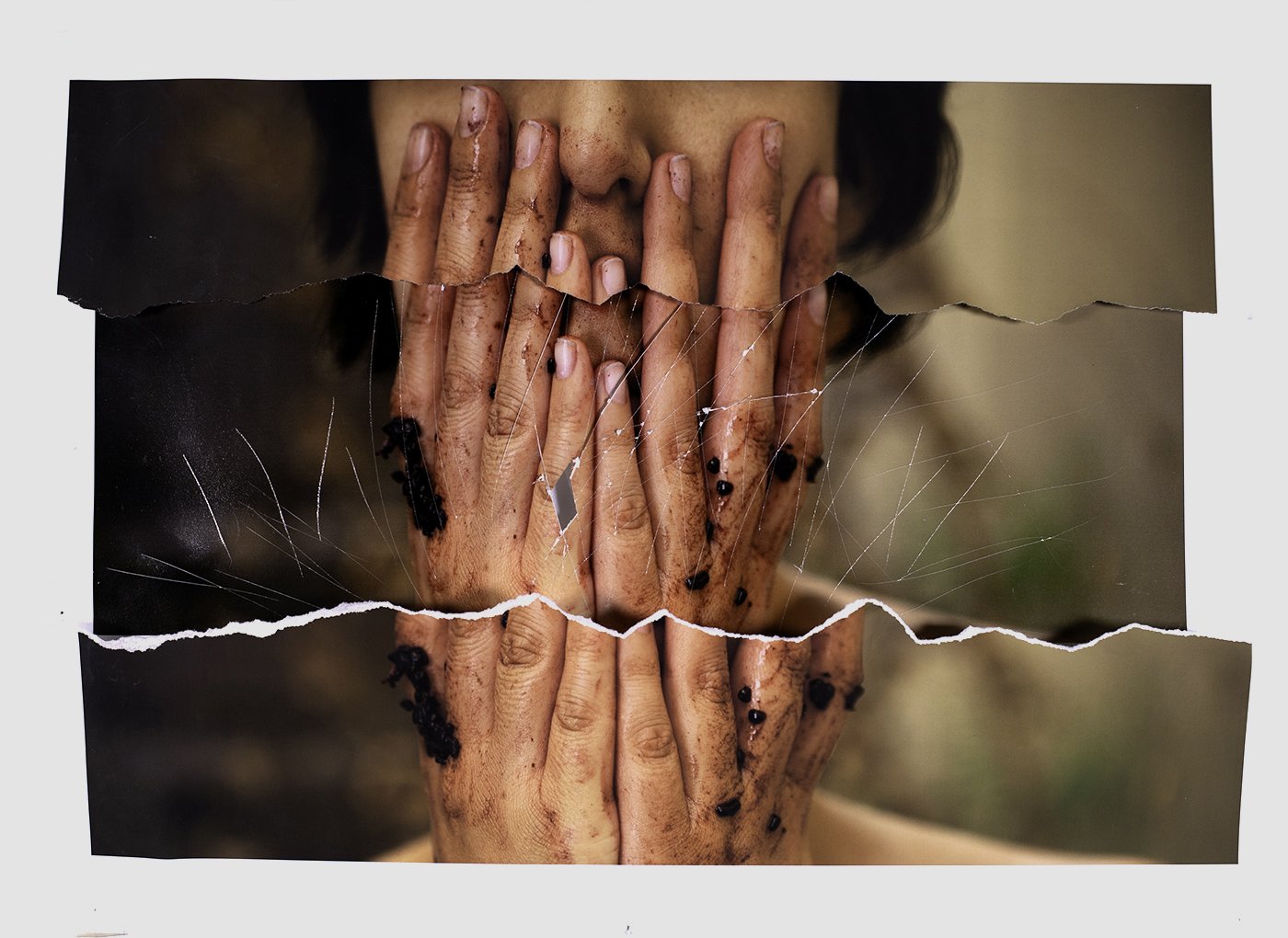
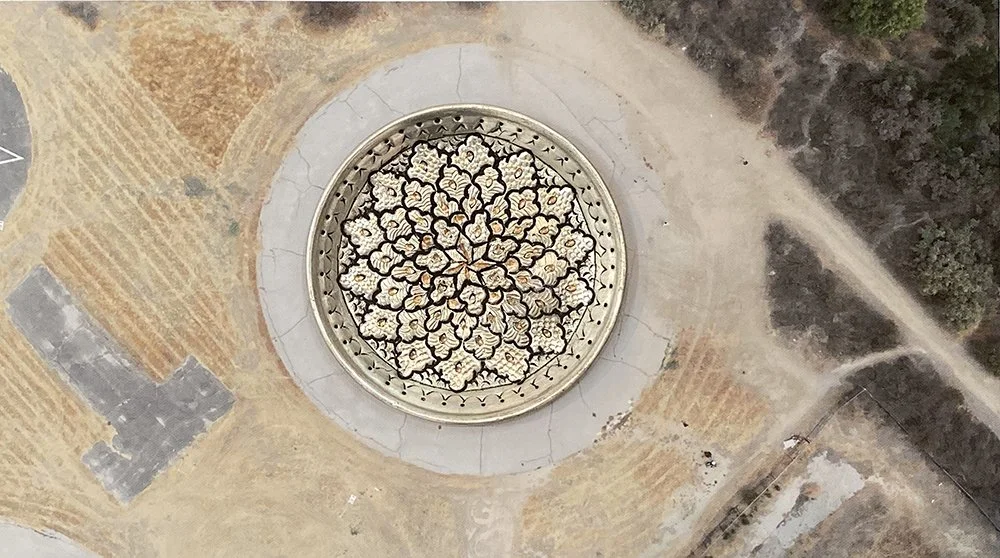
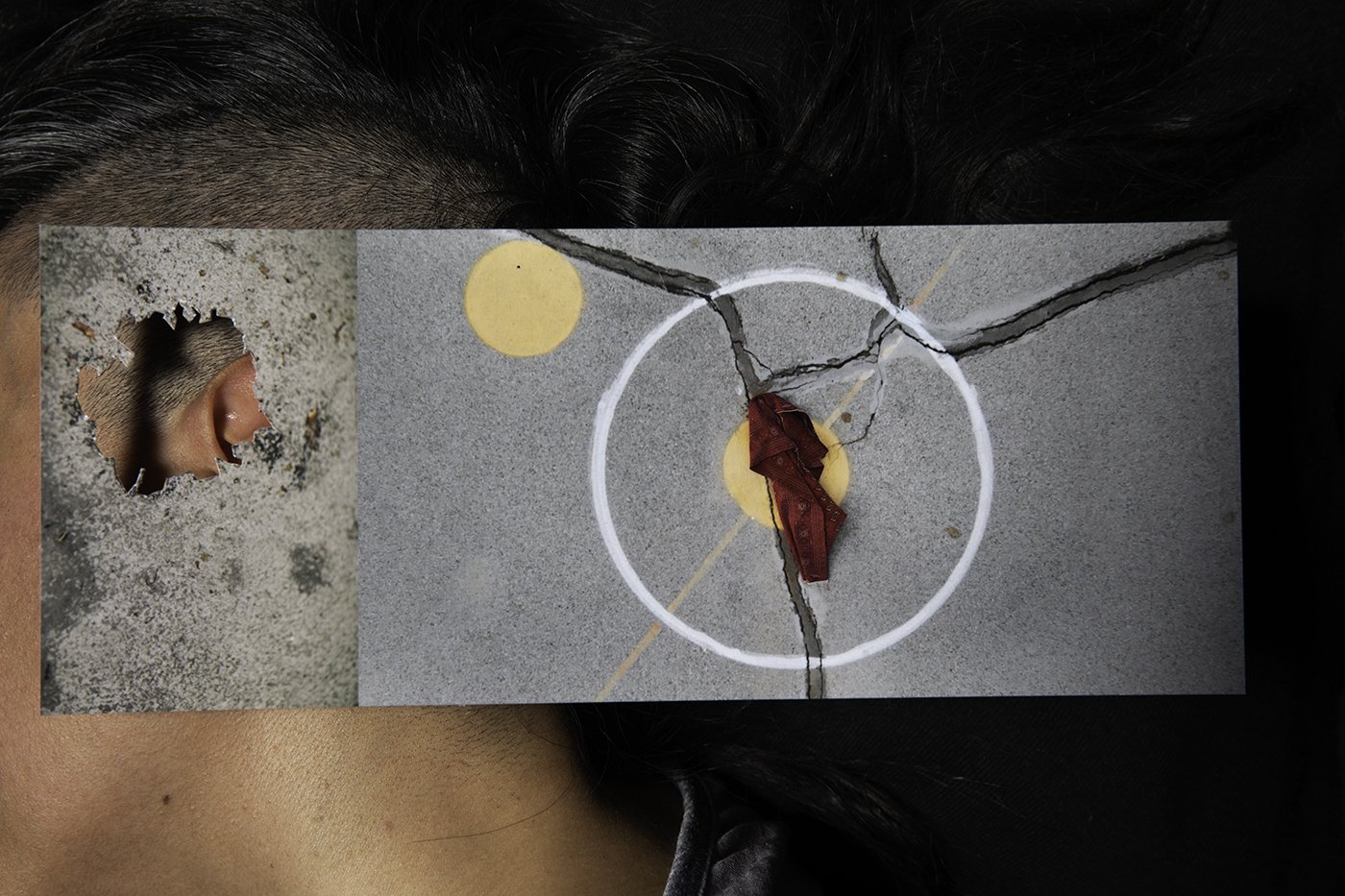
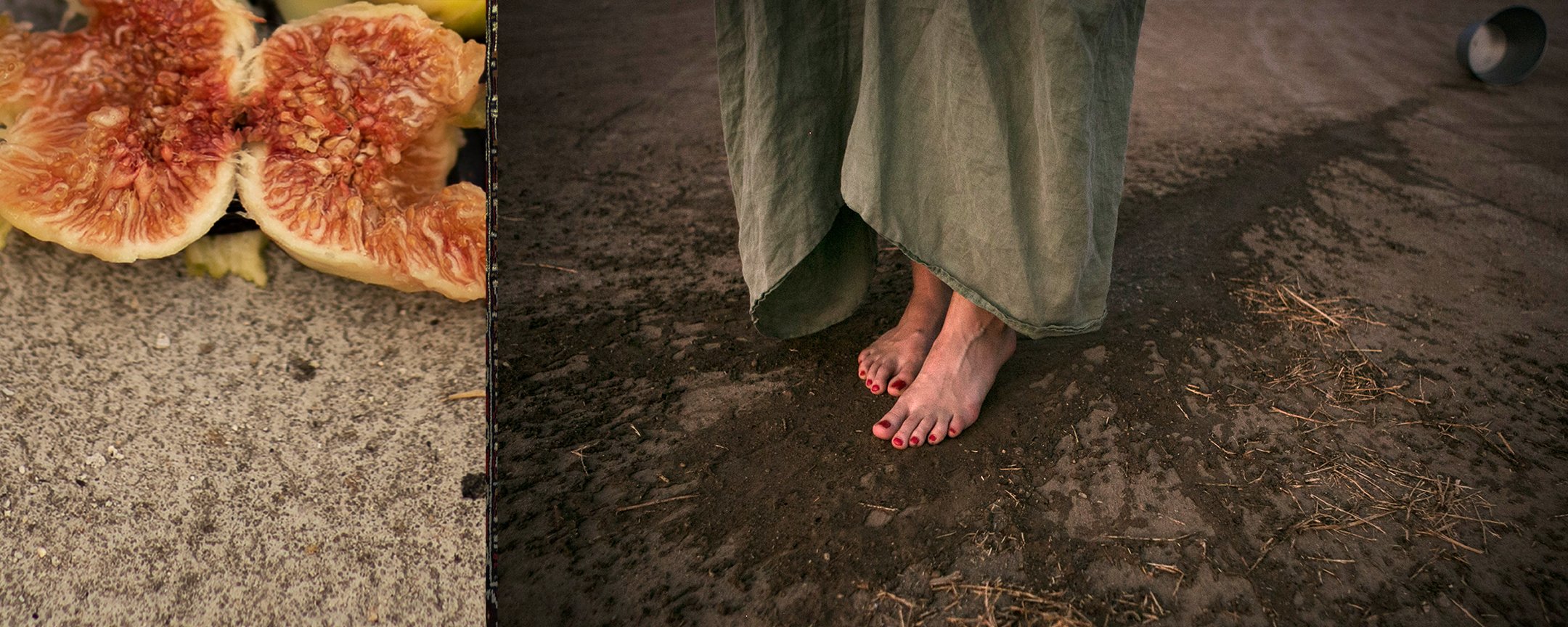
Building upon the video, related photographic works are distorted and layered, presenting experimental collages that are further referenced in a series of postcards and letters written between the two artists while in isolation during the height of COVID.
Resisting static interpretations of culture or identity as fixed or unchanging, Woven is a deeply vulnerable exposition, unraveling the tapestry of what it means to be Iranian, Afghan, and American, and to challenge common stereotypes of Middle Eastern Women. It also elicits the power of friendship. Through the knotty structures of togetherness that runs through the work, Olfatmanesh and Samizay invite us to think about how we build and maintain connection as we move towards collective freedom.
—Padma Maitland, Associate Curator of Art, Asian Art Museum, San Francisco.
Labkhand Olfatmanesh and Gazelle Samizay, Bepar, HD Video, 2019.
The game of hopscotch becomes rigid and challenging as the shattering effects of war and patriarchy are illuminated in each step of a young girl’s journey.
Below are some images from our collage series:
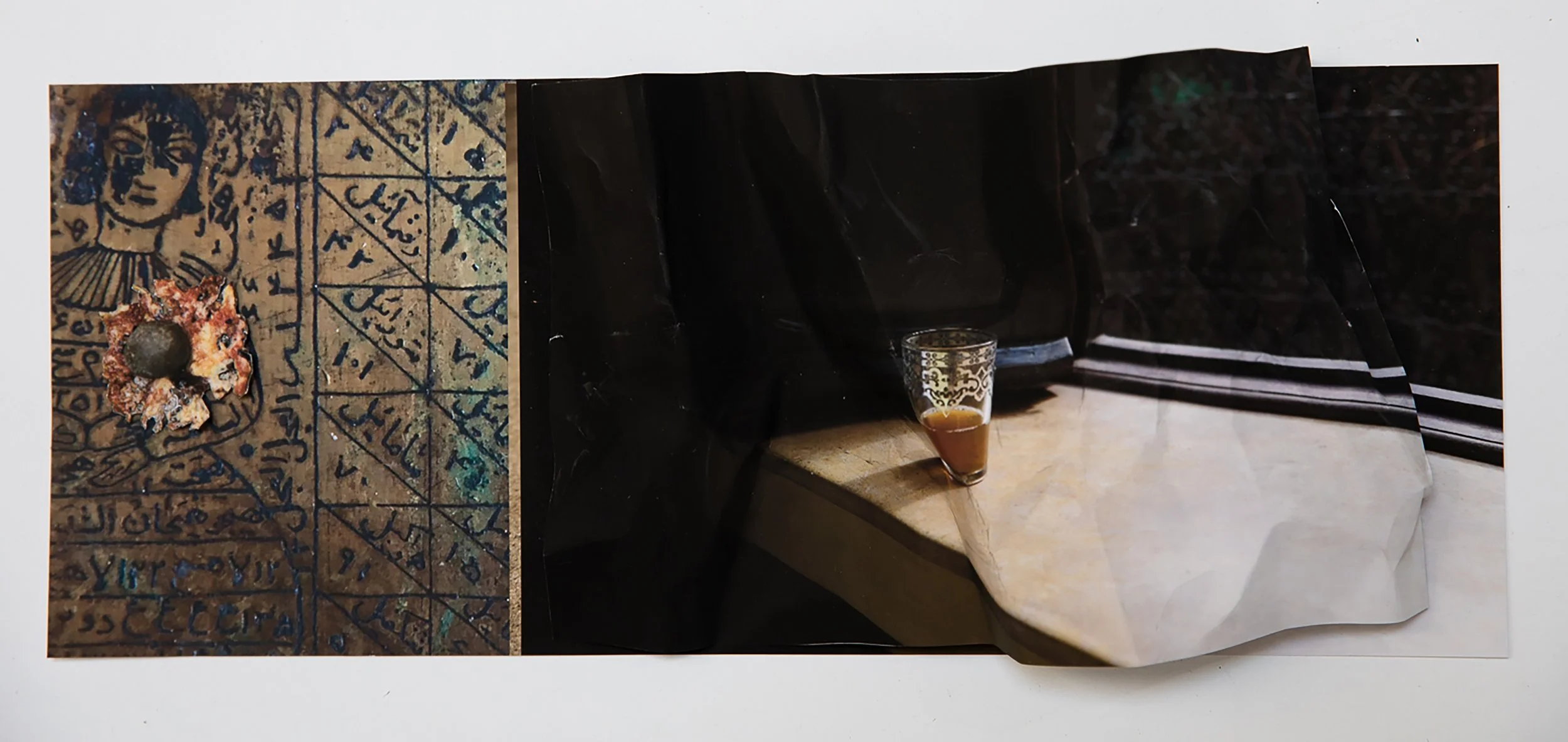
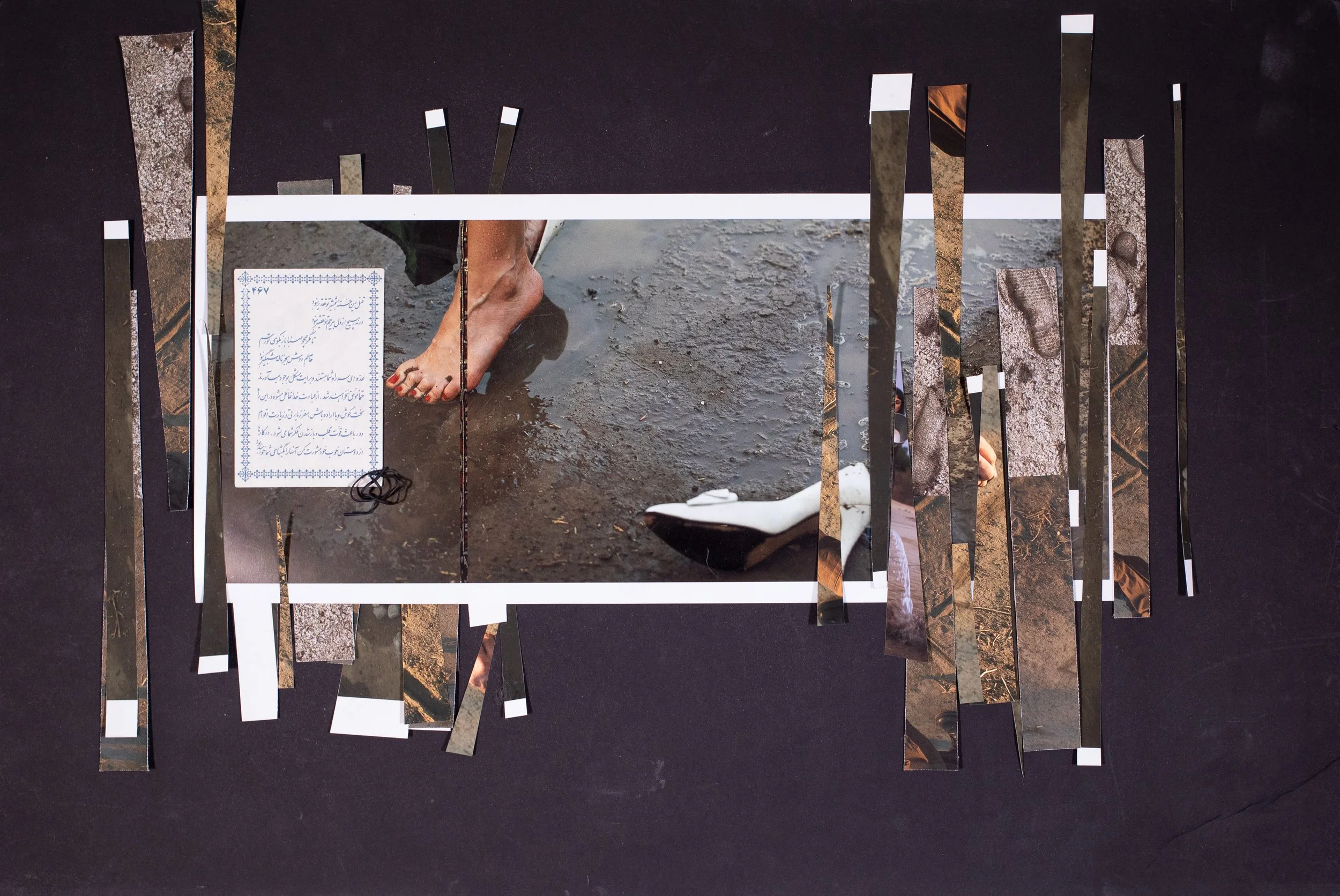
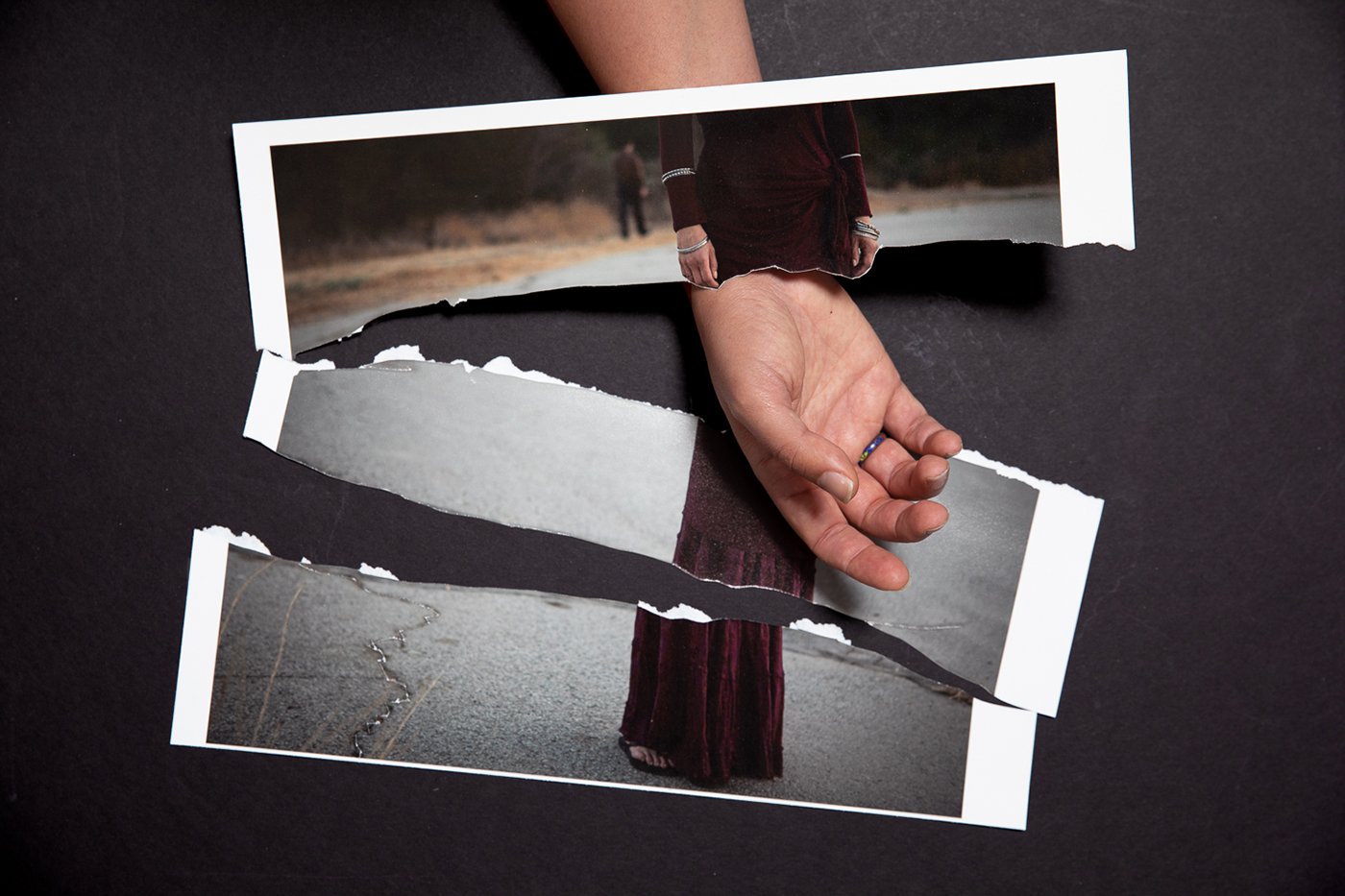
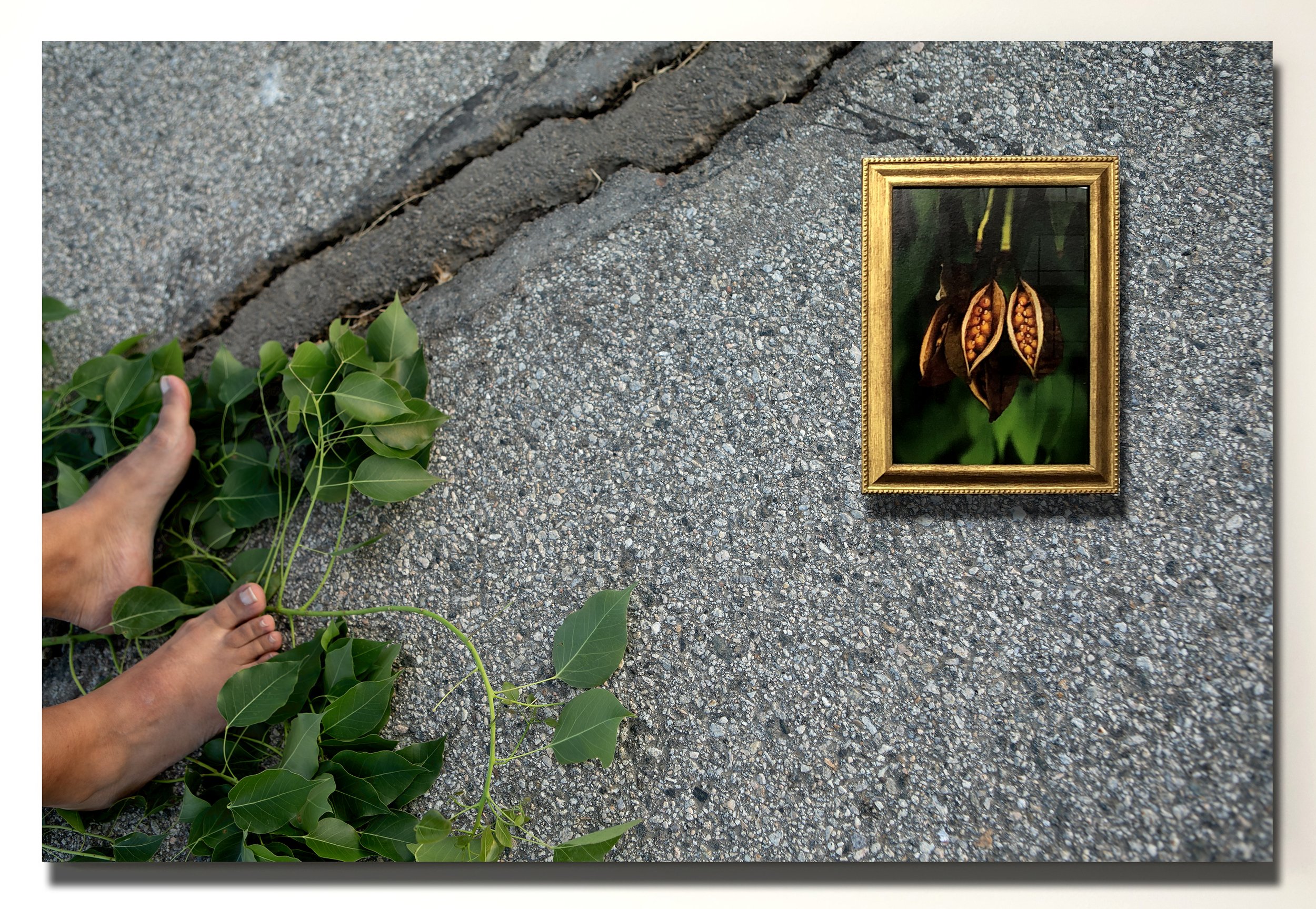
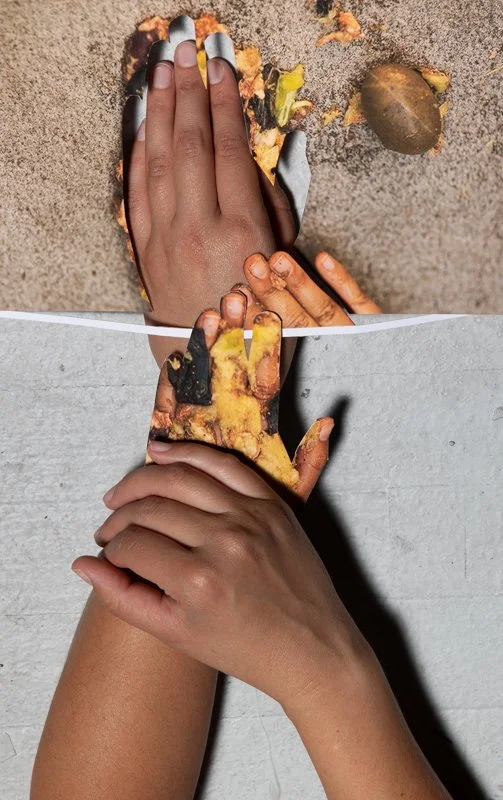
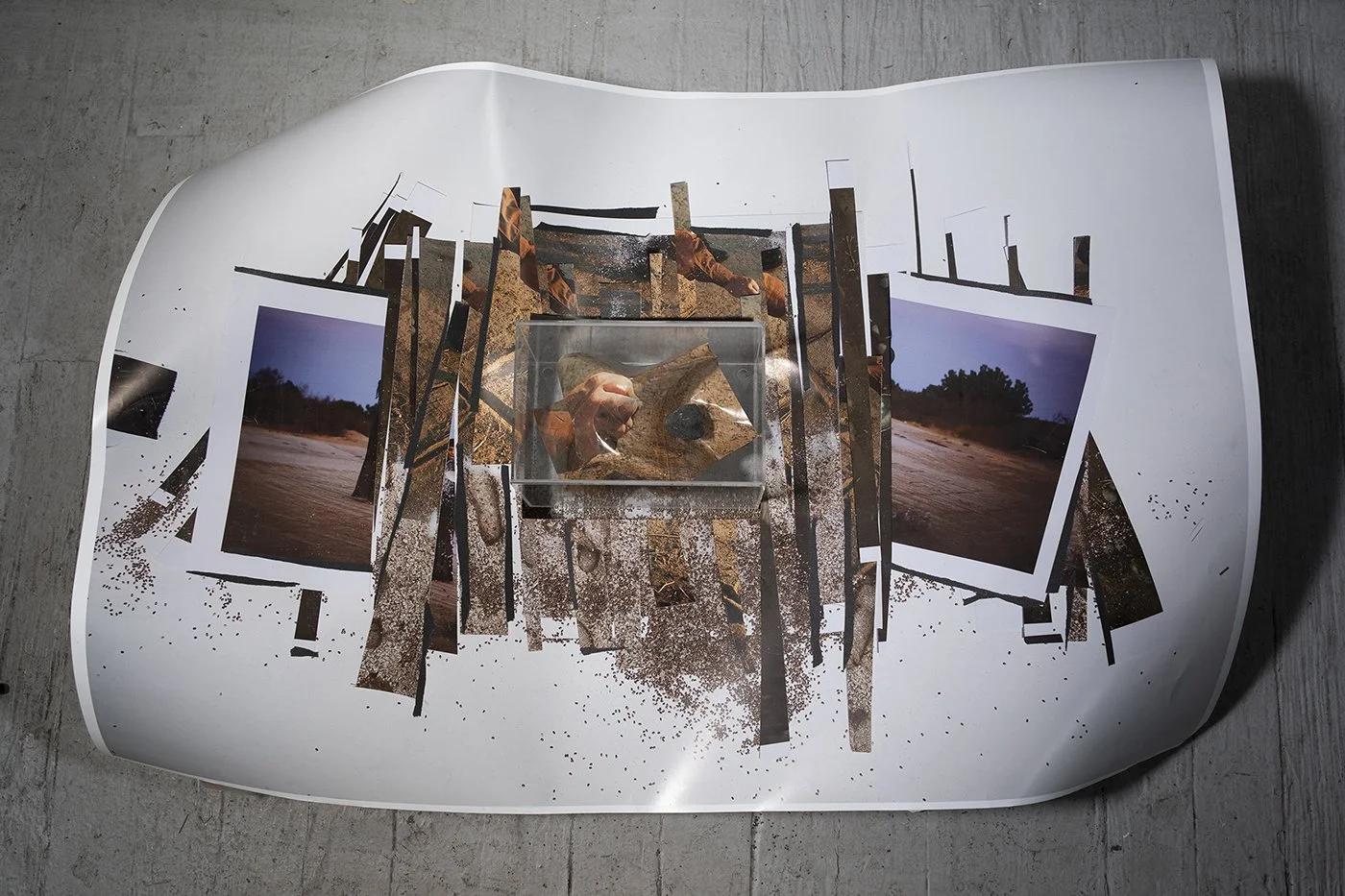
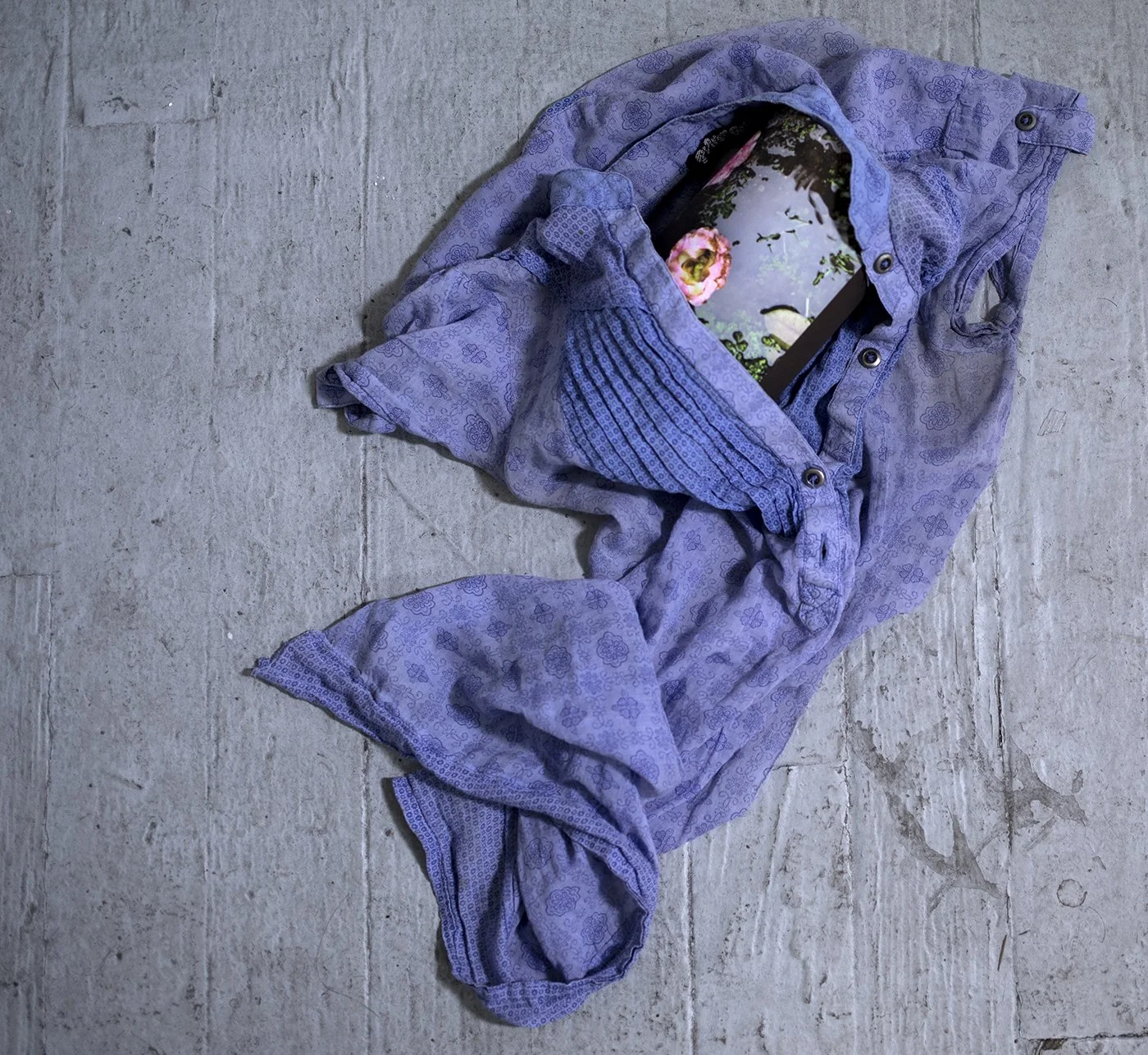
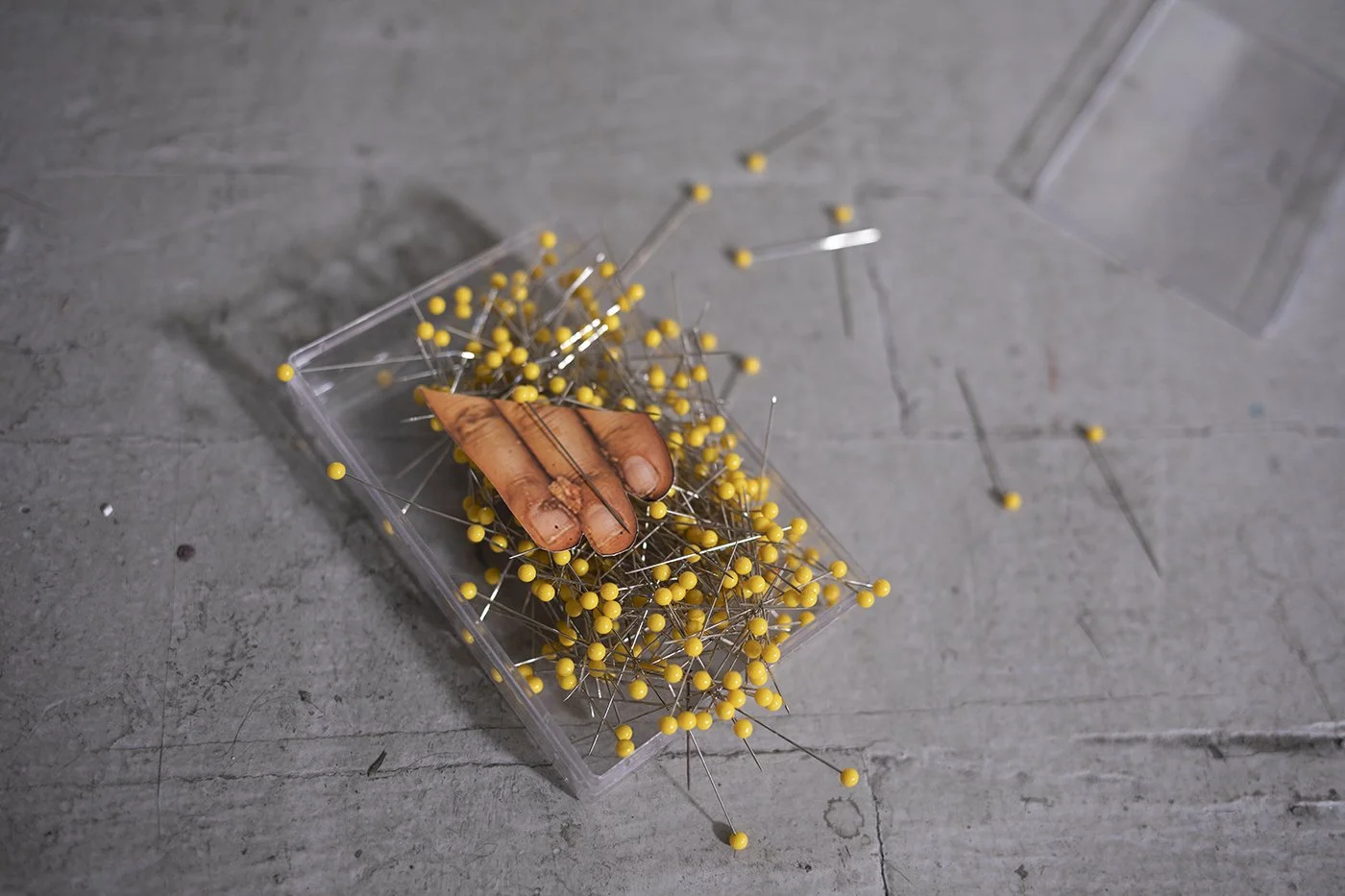
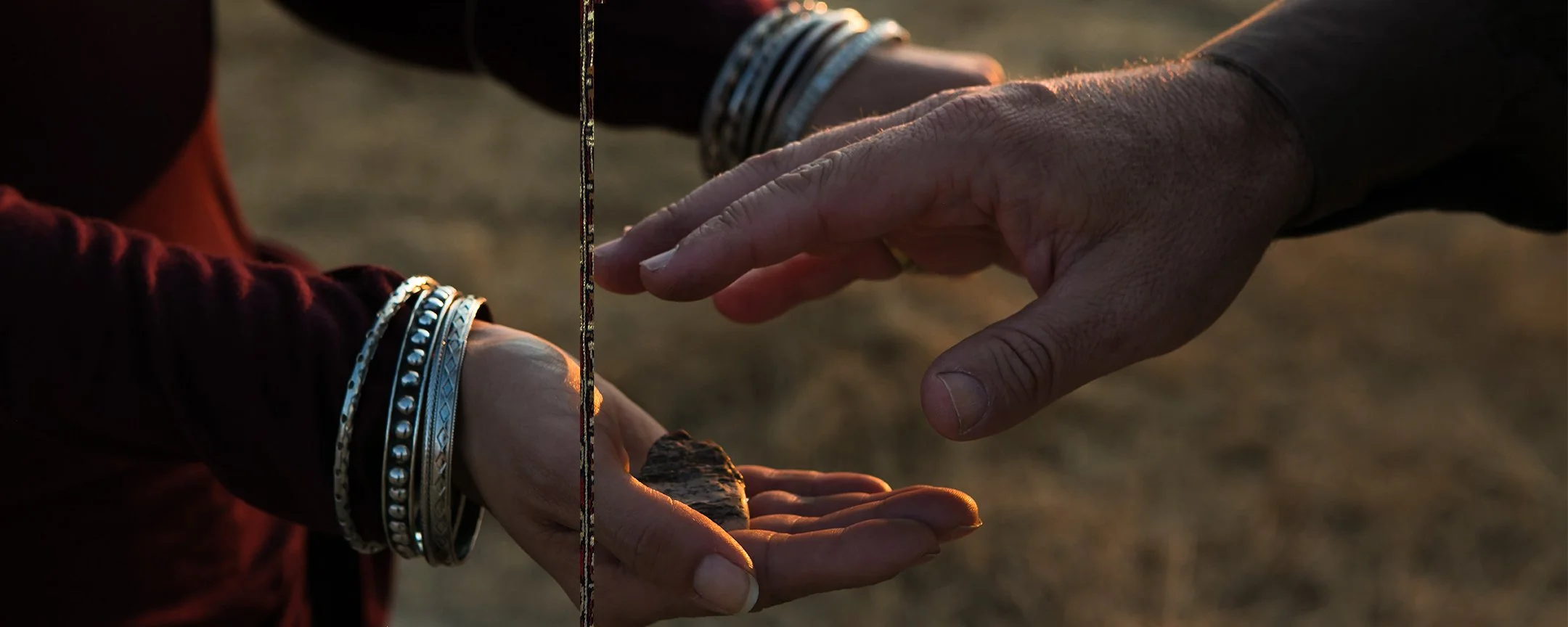
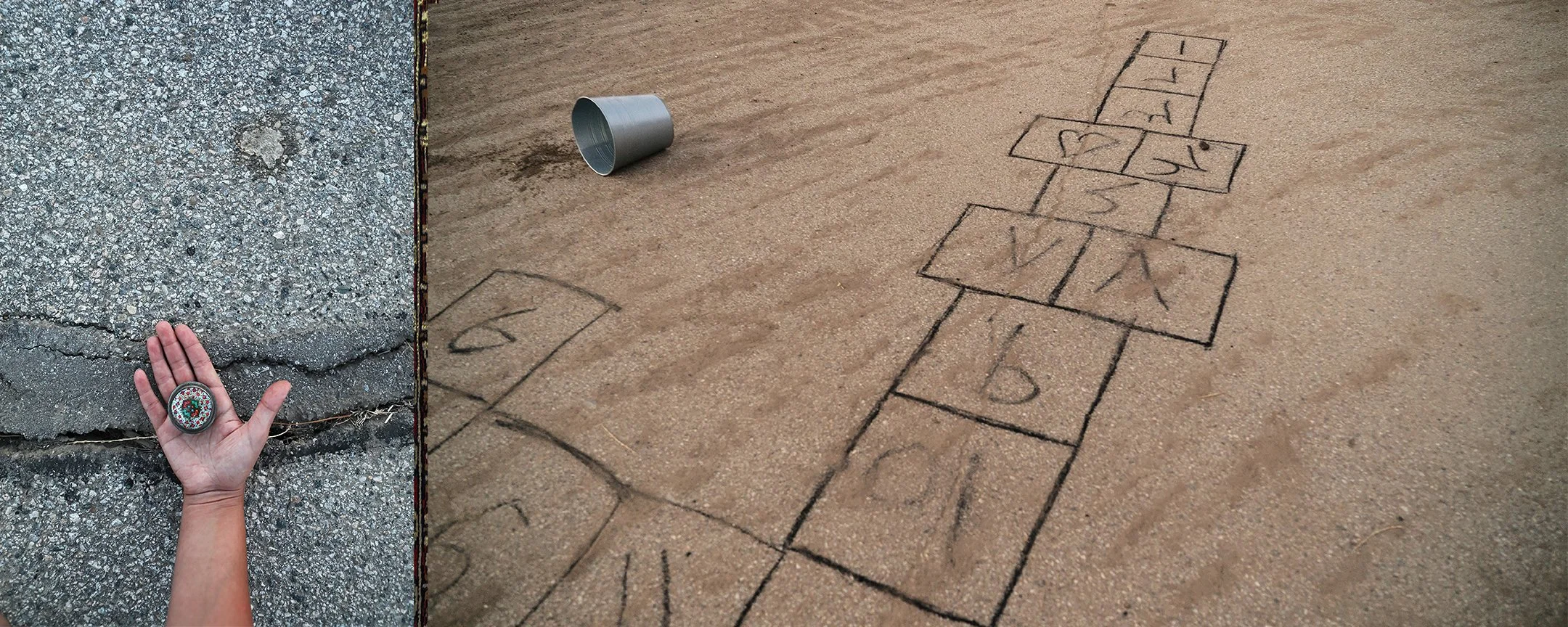
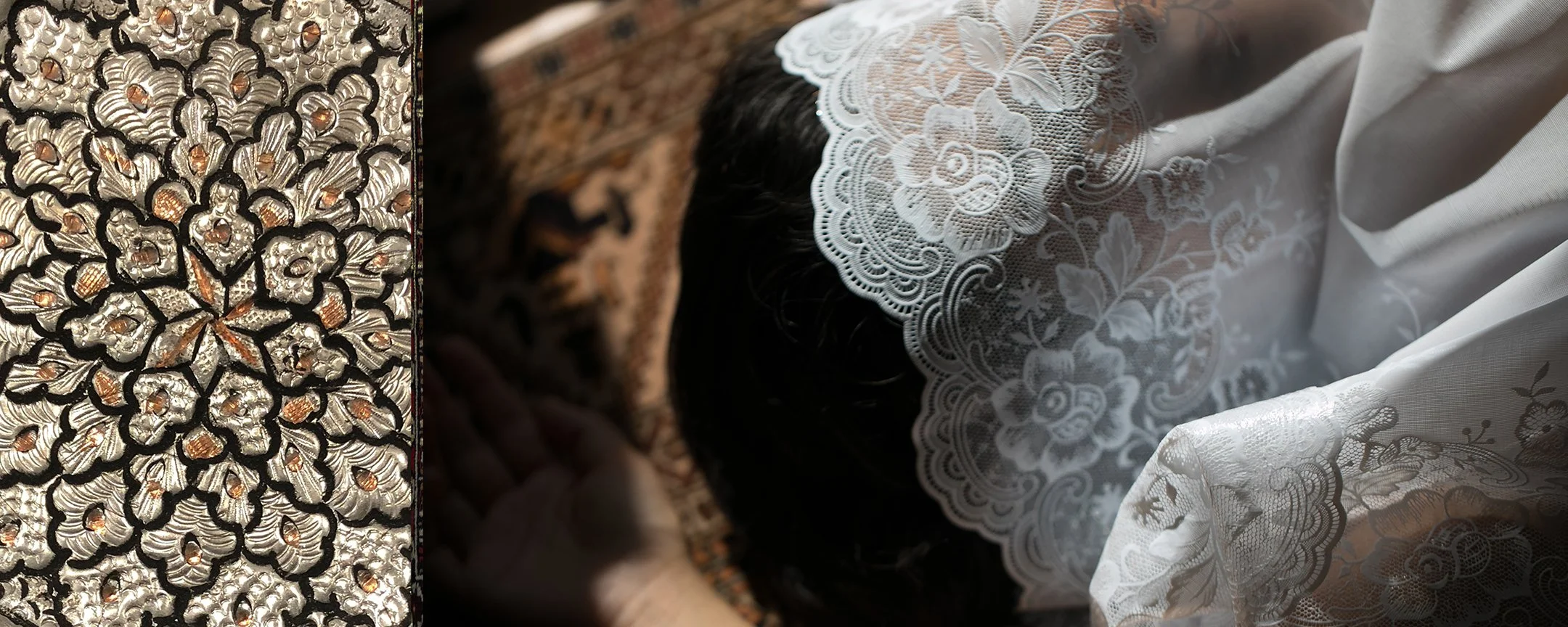
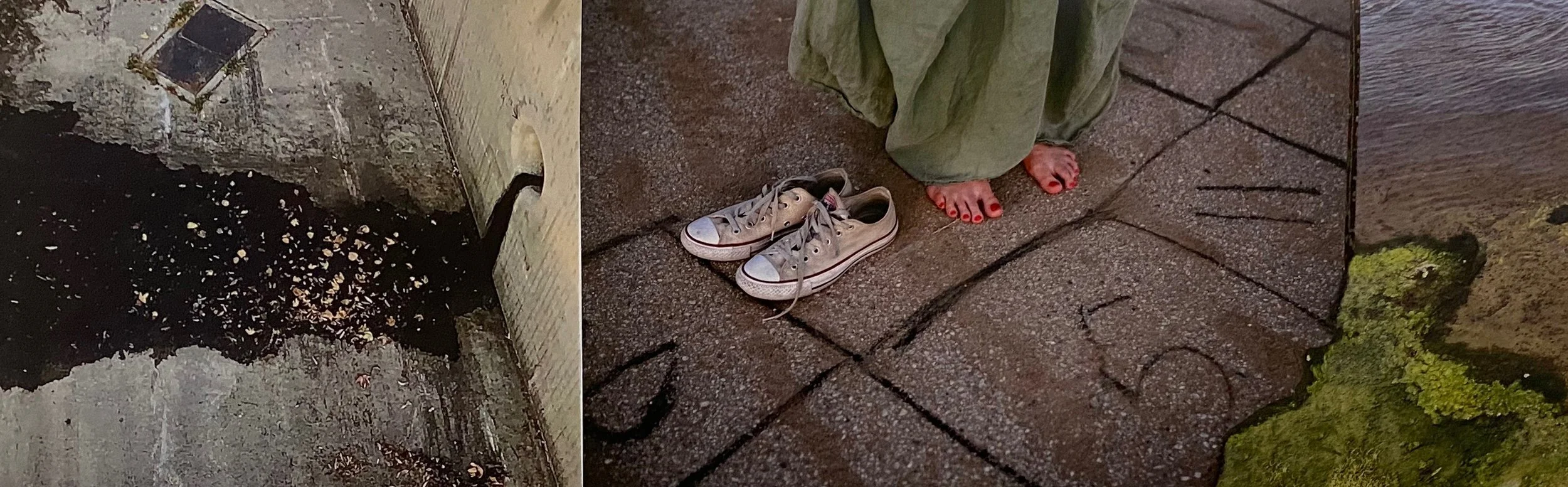
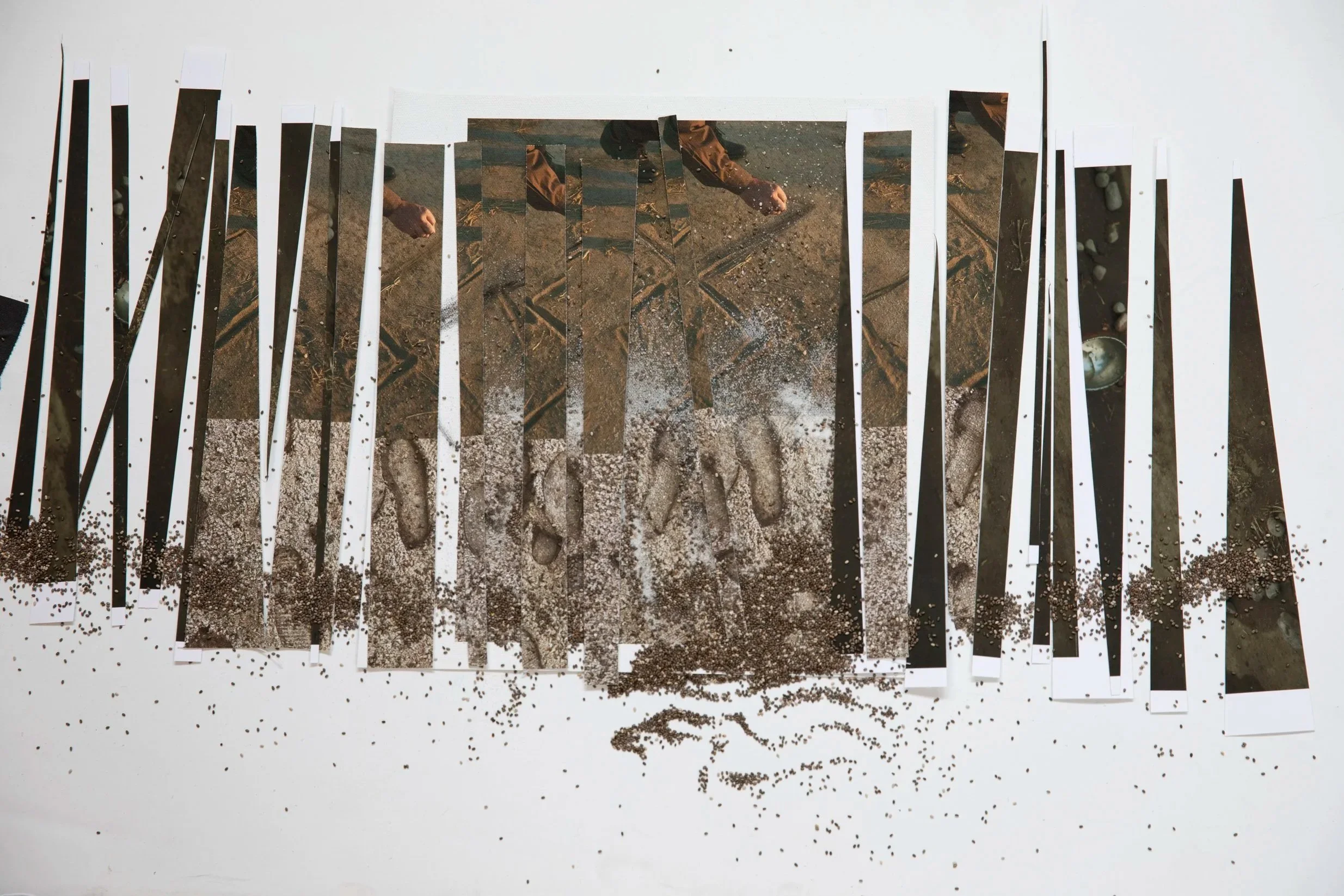

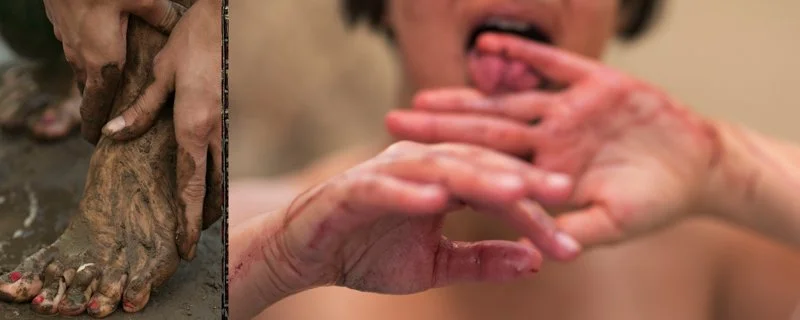
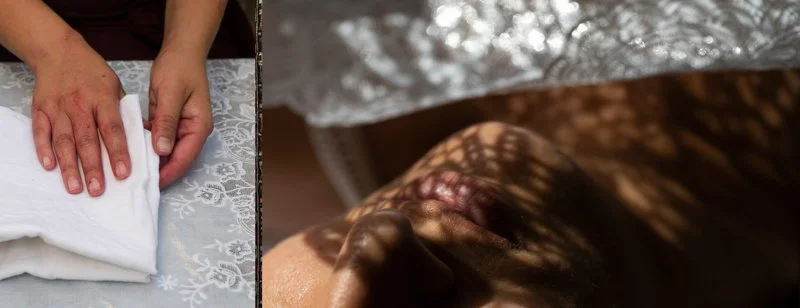
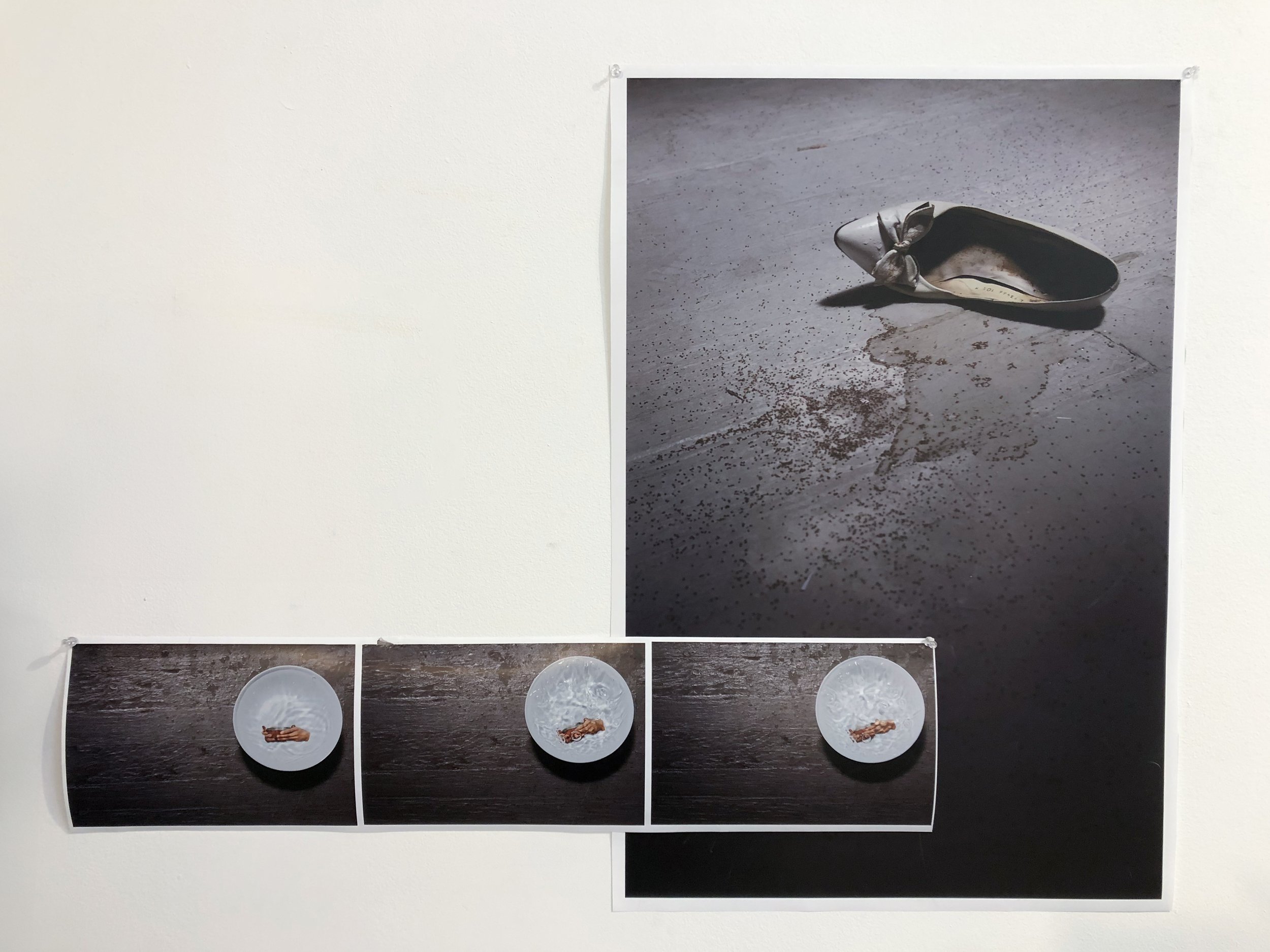
Undercurrent explores the role of fate in Afghan and Iranian culture. Often invoked to explain forces beyond one’s control, fate can appear both benevolent and merciless. It raises questions about the extent of our agency and how beliefs about destiny can shape—or limit—women’s paths toward self-actualization.